
MECHANISM ENGINE
What Is Vagal Tone?

I write about the why of this, not the how. For the actual practice of building this up, breathwork technique, guided sessions, that’s Sharyn and Marie’s territory at The Exhale Awakening, not mine. But understanding what it is matters before you go looking for how to improve it.
The Vagal Brake
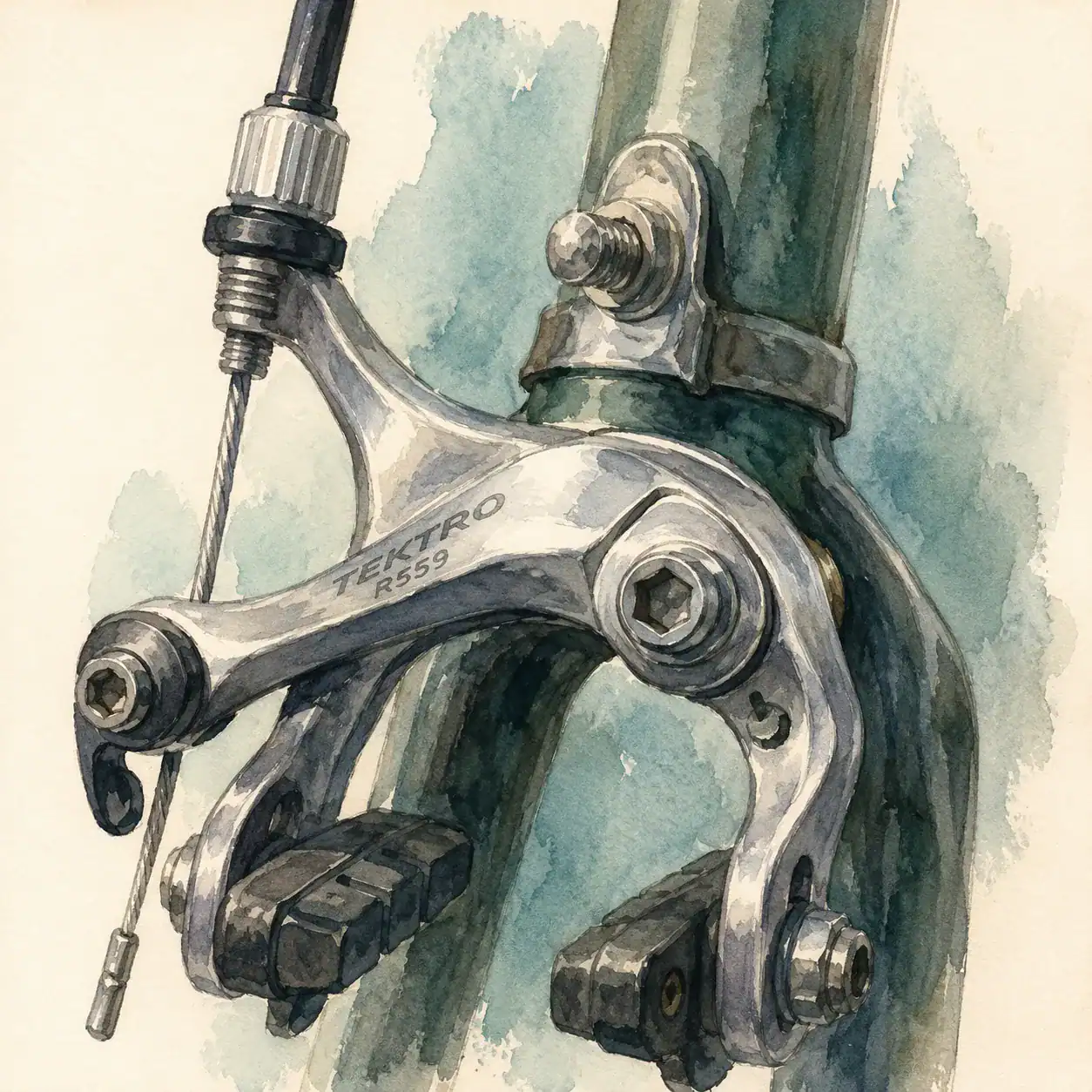
Think of the vagus nerve as a brake on a bicycle, not a stop switch, a brake. Release it and the system speeds up, heart rate rises, you’re primed and alert. Re-engage it and the system slows back down safely, under control. Vagal tone is essentially how responsive that brake is, how quickly and smoothly you can apply it when you need to calm down after something’s revved you up. Strong vagal tone means a quick, controlled brake. Weak vagal tone means the brake’s a bit sluggish, and the bike keeps freewheeling long after you wanted it to slow down.
The vagus nerve is the main channel connecting the brain to the heart, lungs, and gut, and is central to the parasympathetic, or rest-and-digest, nervous system response. Vagal tone refers to how well this system can be engaged to bring the body back to a calm state after stress. It’s commonly assessed indirectly through heart rate variability, and can be improved through slow, extended exhale-focused breathing practices.
Research on vagal nerve function links stronger vagal tone with better stress recovery and cardiovascular health; NHS materials on relaxation techniques include slow breathing as an evidence-supported method for engaging this response.
Articles referencing this concept will populate here automatically as the Library builds.
Related mechanisms
- What Is Cortisol?
- What Is HRV (Heart Rate Variability)?
- What Is Circadian Rhythm?
- What Is the Microbiome?
Educational only, not medical advice. Speak to your GP before changing your fasting pattern, diet, or medication.
What this is based on
NHS and NICE guidance, cross-referenced against Neil’s own NHS blood test record going back to April 2012. See the full timeline and current numbers.