
MECHANISM ENGINE
What Is CRP (C-Reactive Protein)?
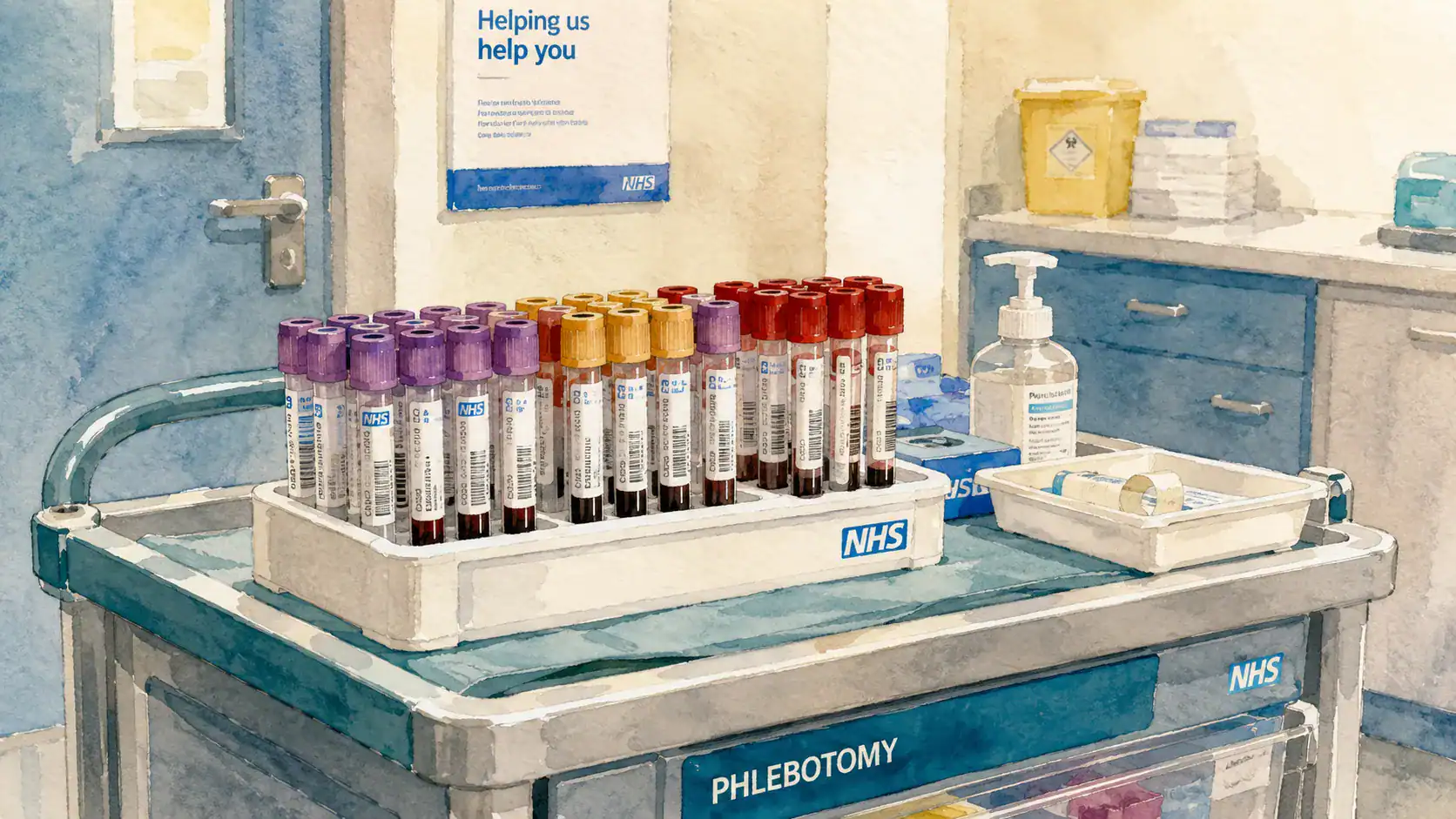
CRP is how you actually catch chronic inflammation on paper, since you mostly can’t feel it. It was one of the numbers my GP started tracking alongside everything else, and it’s a genuinely useful one once you know what it’s picking up.
Looking for a Fight It Never Finds
A raised CRP is a bit like catching your body braced for a fight that never actually shows up. The immune system’s on alert, resources diverted toward defence, tension held in the system, but there’s no injury, no infection, nothing concrete to point at. Over short periods that’s fine, a normal response to a real threat. Held there for months or years, with nothing to actually fight, it’s just wear. CRP is the blood test that catches that stance, the readiness for a fight that isn’t there.
CRP, C-reactive protein, is produced by the liver in response to inflammation anywhere in the body. A high-sensitivity CRP, or hs-CRP, test can detect the lower, chronic levels of inflammation linked to cardiovascular and metabolic risk, distinct from the much higher spikes seen with acute infection. It’s commonly used alongside cholesterol markers to give a fuller picture of cardiovascular risk than lipids alone.
NHS guidance uses hs-CRP as a supplementary marker for cardiovascular risk assessment, generally alongside, not instead of, the standard lipid panel; levels above 3mg/L are typically flagged for further GP review.

Articles referencing this concept will populate here automatically as the Library builds.
Related mechanisms
Educational content only, not medical advice. Never stop or change medication without your GP’s supervision. Neil stopped his own medications in February 2024 on his own initiative and told his GP afterwards, with NHS blood tests to show. That is not the approach recommended here.. Speak to your GP before changing your fasting pattern, diet, or medication.
What this is based on
NHS and NICE guidance, cross-referenced against Neil’s own NHS blood test record going back to April 2012. See the full timeline and current numbers.